
Argentina
Tasting great wines of Argentina can be a wonderful experience:
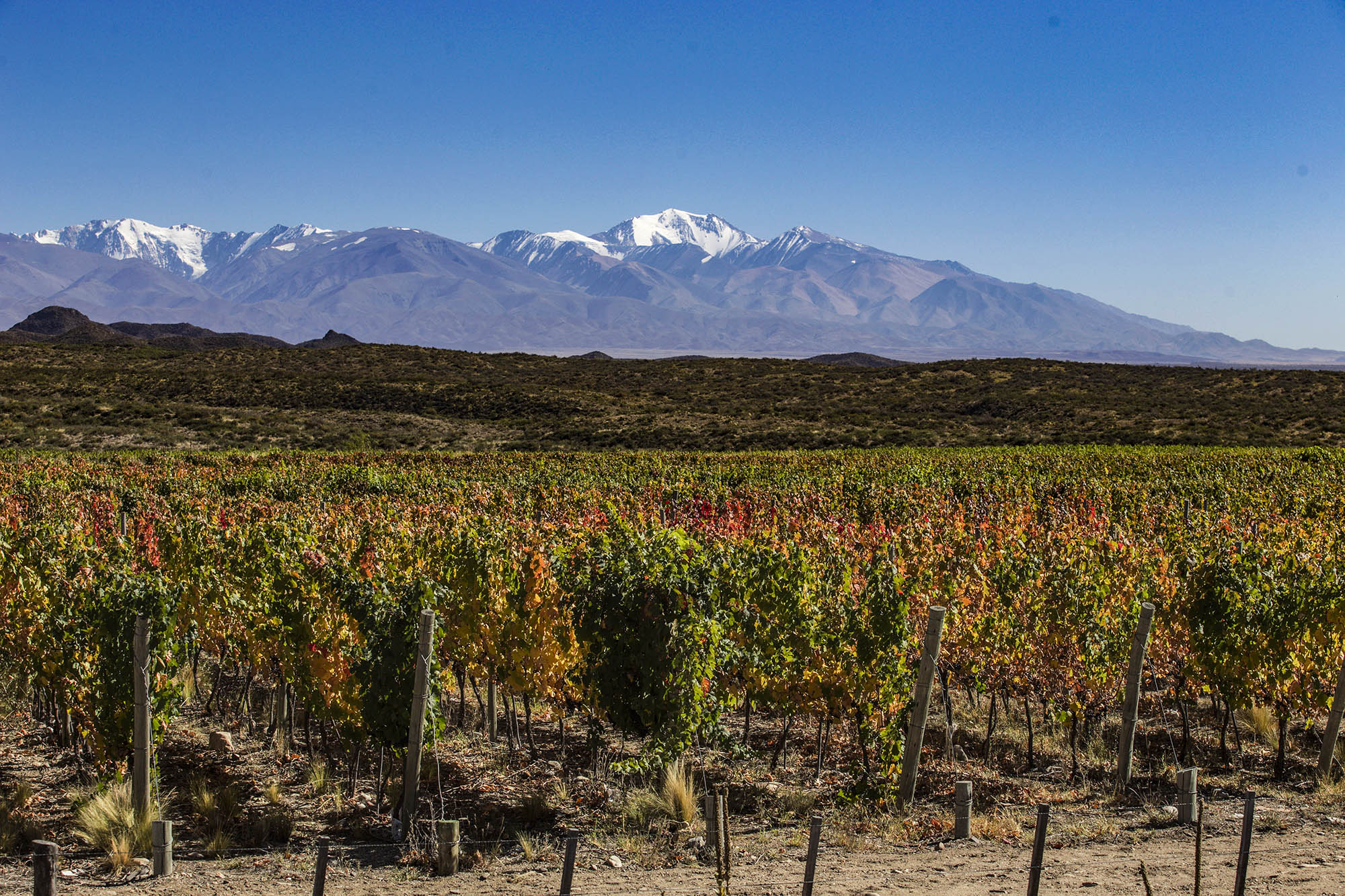
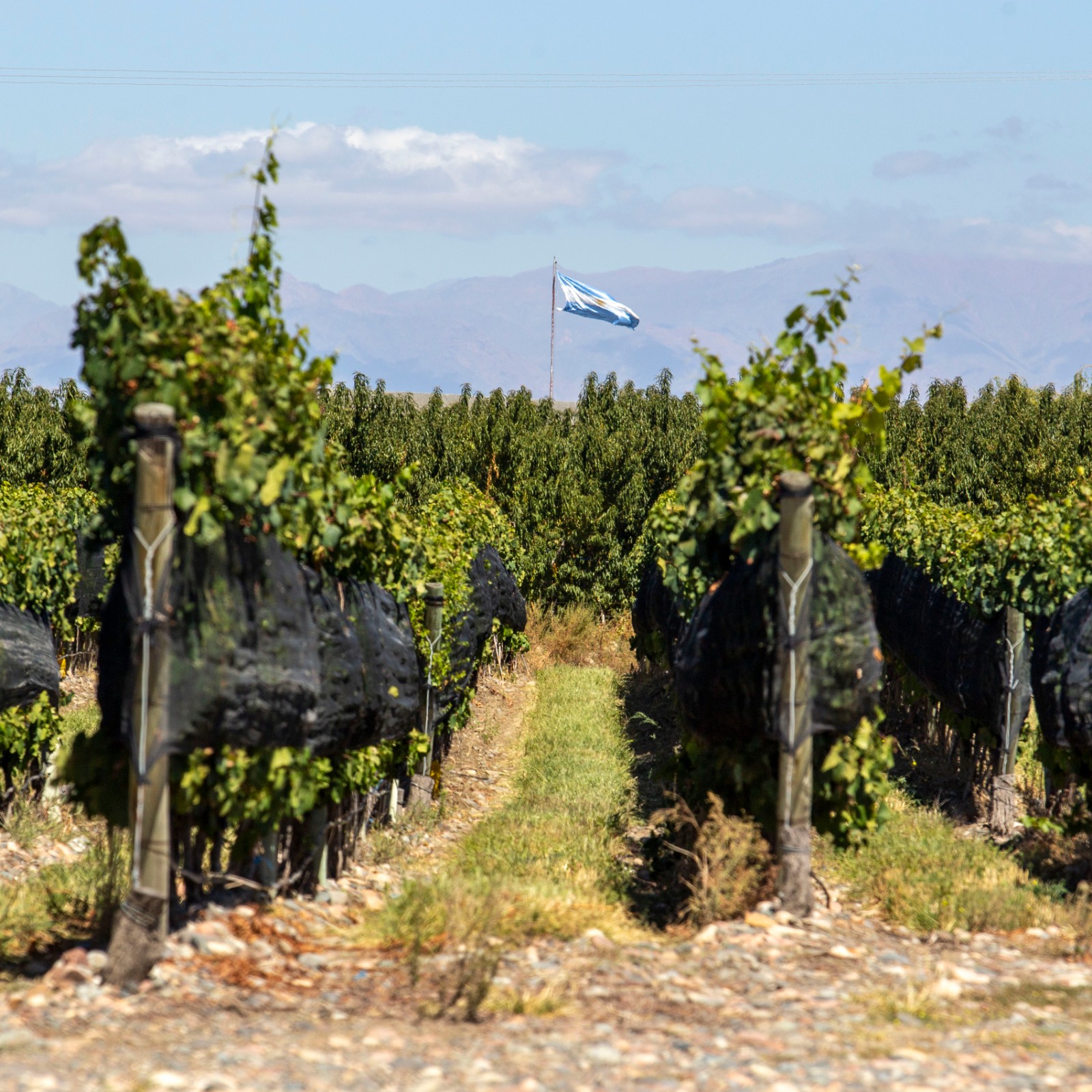
If we talk about Argentina, the country where I was born, the first thing to mention is that it is the 5th largest wine producer in the world, preceded by Italy, France, Spain and the United States. This southern country stands out for having most of its vineyards at high altitude. With 3800 km of extension, and also with lower altitude regions, located mainly in Patagonia, Buenos Aires or Entre Rios, Argentina produces most of its world-renowned wines at the foot of the Andes Mountains.
The majestic Andes Mountains offer truly unique landscapes, but also serve to stop the cold and humid winds coming from the Pacific Ocean; transforming them into warmer and milder ones. Of course, this factor also influences the purity of the air in which the vines grow. Likewise, it is the water from the melting mountain snows that descends and is used for eventual irrigation, necessary due to the desert conditions of the soils, especially in the Cuyo region.
When we talk about altitude in the vineyards, we must point out that in the Northwest of this country, in provinces such as Salta, Catamarca and Jujuy, plantations can reach 3300 meters above sea level. And in the Cuyo region, in provinces such as La Rioja, San Juan and the famous Mendoza, plantations can range from 450 to 2000 meters above sea level.
The altitude, added to other factors, is also decisive for the final result that reaches the bottle. The higher the altitude, the greater the sun exposure of the vines, causing the skins of the berries to thicken and consequently facilitating wines with more tannins and abundant color.
High altitude vineyards also have an optimal thermal amplitude (temperature difference between day and night). In this way, the clusters obtain greater radiation and heat during the day and a cooler rest at night. The result of this process is a higher acidity in the fruit and a great concentration of aromas in the wine.
Argentina is much more than Malbec. Of course, this grape variety, which arrived from France to these lands in the mid-19th century, is the variety that has given this South American country the most worldwide recognition. If one thinks of Argentine red wine, the first thing that comes to mind is the word Malbec.
But the Argentine wine industry has been able to produce (and still does) wonderful examples of Bonarda wine (the second most planted red grape variety in this country after Malbec), as well as Cabernet Sauvignon, Cabernet Franc, Tannat (special mention for the excellent Tannat produced in the Northwest), Merlot, Pinot Noir or Syrah, among others.
And if we talk about white grape varieties, just as the Riesling grape identifies the white wines of Germany, the Torrontés grape does the same for Argentina. This unique grape, product of the cross between Muscat of Alexandria and Criolla grape (native), stands out for its wines of great aromatic charge, fresh, and medium acidity. Sauvignon Blanc, Chardonnay, Viognier or Semillon wines are also highly produced and marketed worldwide.
Blends are also worth a mention, mainly because over the years, Argentine winemakers have always looked to go beyond the established limits, creating extraordinary combinations. These blends have been awarded by the main critics and experts of the wine world.
If you ever want to taste some of these varieties, learn more about their history, their characteristics and delight yourself with their flavor, do not hesitate to contact me.